Alcohol quantity and type on risk of recurrent gout attacks: An internet-based case-crossover study
Source: https://www.ncbi.nlm.nih.gov/pmc/articles/PMC3991555/
Tuhina Neogi, MD, PhD, Associate Professor of Medicine and of Epidemiology,1 Clara Chen, MHS, Assistant Director, Operations,2 Jingbo Niu, DSc, Research Assistant Professor of Medicine,1 Christine Chaisson, MPH, Research Assistant Professor,2 David J. Hunter, MD, Professor of Medicine,3 and Yuqing Zhang, DSc, Professor of Medicine and of Epidemiology1
ObjectivesAlthough beer and liquor have been associated with risk of incident gout, wine has not. Yet anecdotally, wine is thought to trigger gout attacks. Further, how much alcohol intake is needed to increase the risk of gout attack is not known. We examined the quantity and type of alcohol consumed on risk of recurrent gout attacks.
MethodsWe conducted a prospective internet-based case-crossover study in the United States among participants with gout and who had at least one attack during the one year of follow-up. We evaluated the association of alcohol intake over the prior 24 hours as well as the type of alcoholic beverage with risk of recurrent gout attack, adjusting for potential time-varying confounders.
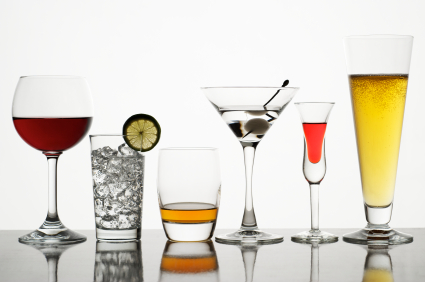
ResultsThis study included 724 participants with gout (78% men, mean age 54 years). There was a significant dose-response relationship between amount of alcohol consumption and risk of recurrent gout attacks (p<0.001 for trend). The risk of recurrent gout attack was 1.36 (95% CI: 1.00 to 1.88) and 1.51 (95% CI: 1.09 to 2.09) times higher for >1 - 2 and >2 - 4 alcoholic beverages, respectively, compared with no alcohol consumption in the prior 24 hours. Consuming wine, beer, or liquor, was each associated with an increased risk of gout attack.
ConclusionsEpisodic alcohol consumption, regardless of type of alcoholic beverage, was associated with an increased risk of recurrent gout attacks, including potentially with moderate amounts. Persons with gout should limit alcohol intake of all types to reduce the risk of recurrent gout attacks.
Learn more about Anti-Inflammation Living
Alcohol, Inflammation and Gout: What You Need to Know
Gout is a form of inflammatory arthritis that occurs when uric acid crystals accumulate in the joints, triggering sudden, intense pain, swelling, warmth, and redness. It is not just a foot problem. It is a systemic metabolic issue with real implications for long-term joint and overall health.
One of the most consistently linked triggers of gout flare-ups and elevated uric acid levels is alcohol consumption, regardless of beverage type.
How Alcohol Affects Uric Acid and Gout
1. Raises Uric Acid Levels
Alcohol interferes with the body's ability to remove uric acid efficiently. When alcohol is metabolized, it produces compounds that compete with uric acid for elimination. This can lead to higher circulating uric acid levels and increased crystal formation in joints.
2. Increases Inflammation
Alcohol promotes systemic inflammation. During a gout flare, the immune system is already responding aggressively to uric acid crystals. Alcohol can amplify this inflammatory response, worsening swelling and pain.
3. Stress on Kidneys and Liver
The liver and kidneys metabolize alcohol and help clear uric acid. Frequent or heavy alcohol use can reduce the body's ability to eliminate uric acid effectively.
4. Dehydration
Alcohol is dehydrating. Lower hydration levels reduce urine output, making it harder for the body to flush uric acid efficiently.
Does the Type of Alcohol Matter?
Beer is often associated with higher gout risk because it contains purines that break down into uric acid.
Wine and liquor have also been linked to increased gout attacks. Even moderate consumption, such as one to two drinks within 24 hours, has been associated with higher flare risk in some individuals.
For many people with gout, reducing or eliminating alcohol significantly decreases flare frequency.
Alcohol and Inflammation: The Bigger Picture
Inflammation is central to gout. When urate crystals lodge in a joint, the immune system launches a strong inflammatory response. Alcohol can intensify this process by:
- Promoting oxidative stress
- Disrupting gut health and immune balance
- Increasing pro-inflammatory compounds in the bloodstream
Chronic inflammation does not just affect joints. It is also associated with cardiovascular risk, metabolic dysfunction, and kidney stress.
A Holistic Approach to Gout Management
Managing gout effectively requires more than short-term symptom relief. It involves reshaping the internal environment that allows uric acid buildup and inflammation to occur.
Diet Optimization
Reducing purine-rich foods, added sugars, and inflammatory processed foods can support healthier uric acid metabolism.
Proper Hydration
Staying well hydrated supports kidney function and uric acid clearance.
Inflammation Reduction
Addressing dietary triggers, alcohol intake, stress, and lifestyle habits helps calm systemic inflammation.
Personalized Support
Everyone's triggers are different. A personalized plan improves long-term results.
Alternative Health Research: A Natural Support Strategy
At Alternative Health Research, we focus on supporting the body's natural ability to restore balance, not just masking symptoms.
Our natural approach includes:
- Botanical formulations designed to support healthy uric acid metabolism
- Support for balanced inflammatory response
- Antioxidant and detox pathway support
- Kidney and liver function support
We also provide personalized guidance to help identify triggers, improve metabolic health, reduce flare frequency, and support long-term success.
Final Takeaway
Alcohol is strongly associated with elevated uric acid, increased inflammation, and higher gout flare risk. For many individuals, reducing or eliminating alcohol is one of the most impactful lifestyle changes for preventing attacks.
If you are looking for a natural, comprehensive strategy that supports your body holistically, Alternative Health Research offers solutions designed to help you address root causes and achieve long-term wellness.
Take control of your health naturally and reduce the risk of future gout flare-ups.
Is beer worse than others?